Start with one question the hotel can answer
A practical AI pilot for guest messaging, with approved answers and a clear handover to staff.
What is a good first use for AI in hotel guest messaging?
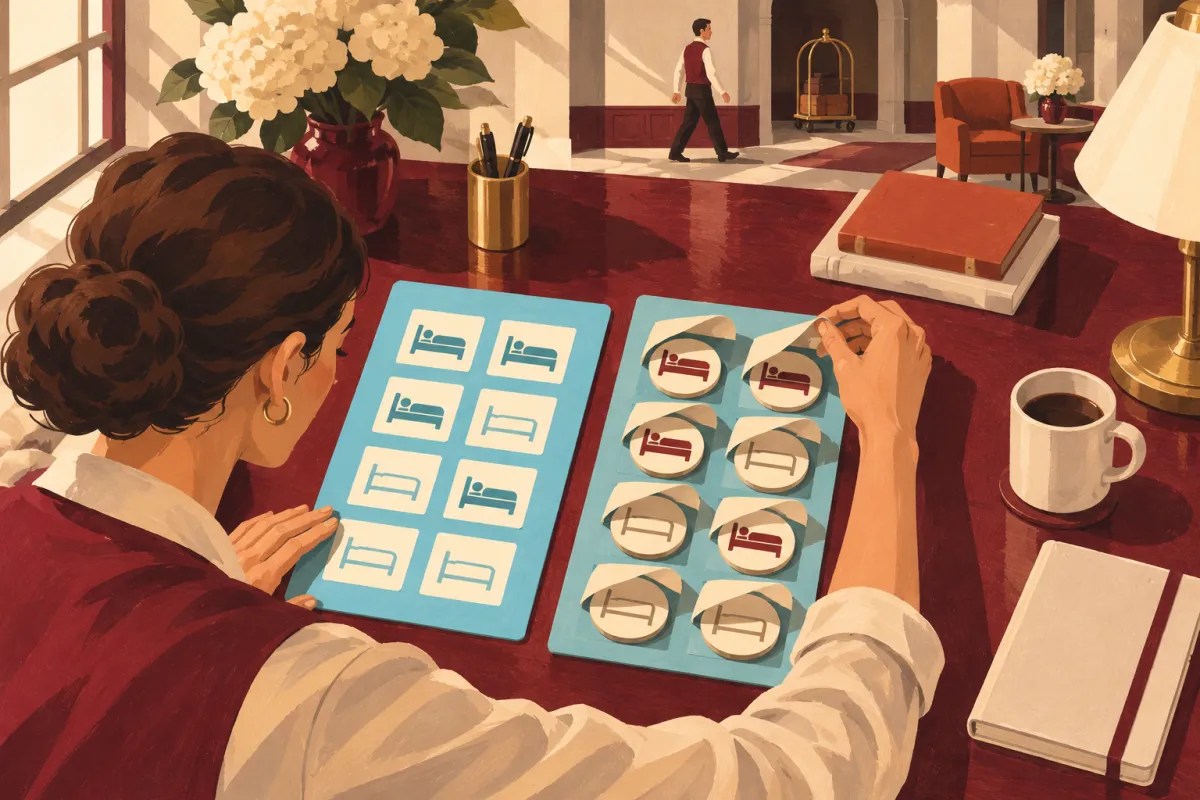
Choose one common question with an answer someone at the property can verify, such as where breakfast is served. Write the approved reply with any differences by day, date or location. Name the person who keeps the answer current and where a rostered staff member can see the latest version. During the first test, use made-up guest questions and have staff review the replies.
How do you test an answer that depends on the stay date?
Imagine breakfast opens at 07:00 on weekdays and 07:30 on weekends. Test “When does breakfast start tomorrow?” as well as “What time on Sunday?” Give staff examples where the guest is at a different property or has provided no stay date. A usable reply either matches the right date and location or asks the guest to clarify. Test again when opening hours change for a function or holiday.
When should the message go to hotel staff?
Route booking changes, payment disputes and requests outside the approved answers to the relevant team. Train staff to check the booking before confirming a change or a fee. Give the receiving shift the guest’s question, the relevant dates and the next action, using the reference allowed by your procedure. Set the expectation for who watches the queue overnight and how the day shift picks up open requests.
What should the pilot review measure?
Sample replies across the times and properties in the pilot. Mark which answers were correct, which used old information and which needed a handover that did not happen. Check whether the staff member who received each handover had enough context to act. Retest failed examples after correcting the source answer or routing rule, and keep the original examples to check that the same failure does not recur.
What does the next shift need to know if the pilot is paused?
Name who can pause automated replies and how staff resume answering in the usual queue. At briefing, hand over the active question categories, pending conversations and any answer changed since the last shift. If breakfast information changes while the relevant staff are away, use the agreed manual process until someone verifies and publishes the new answer.